
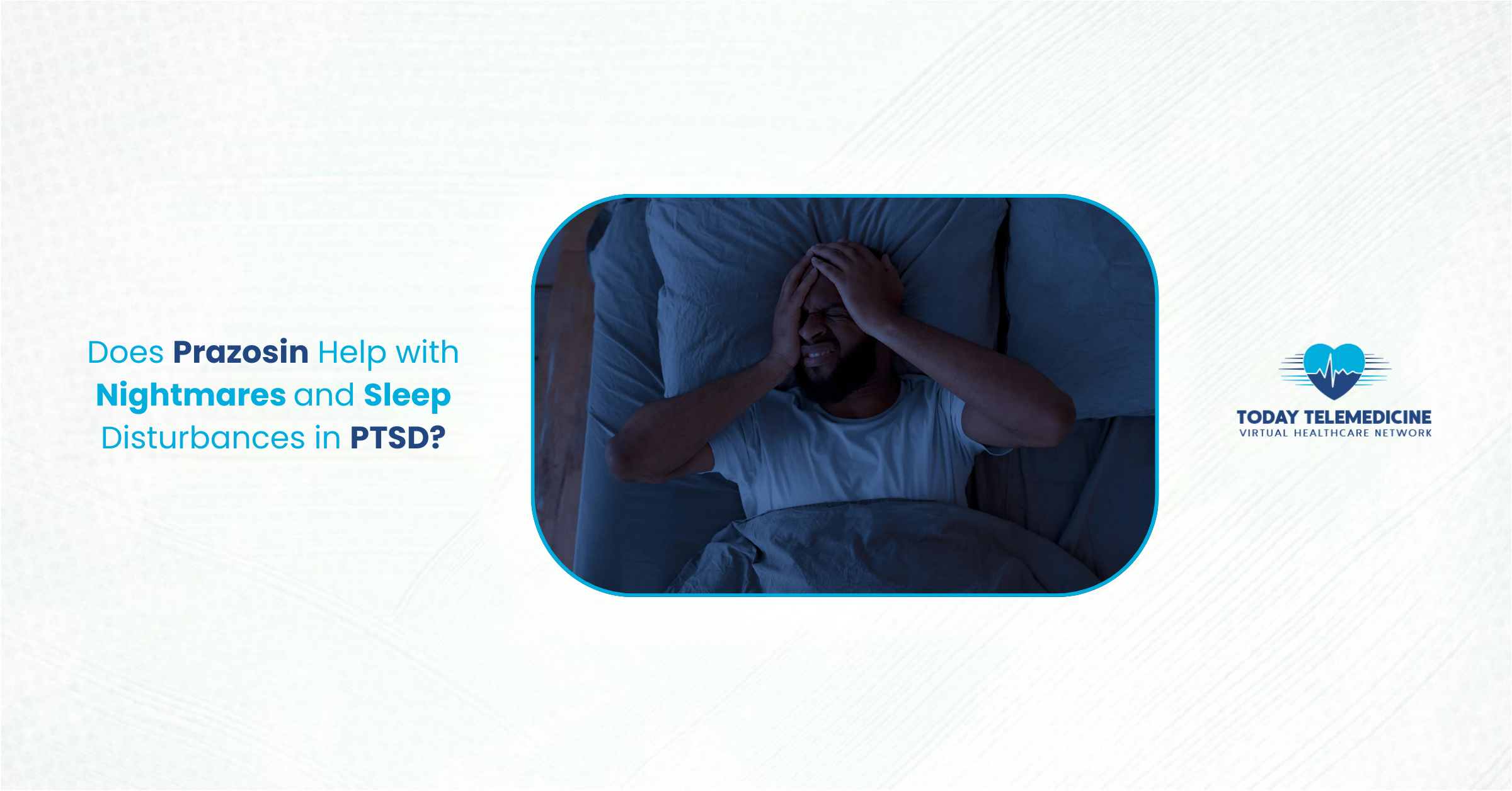
Waking up in a cold sweat with a pounding heart is terrifying, but for people with post-traumatic stress disorder (PTSD), these intense dreams are a daily battle. Millions of people, including veterans and people who have been in accidents, have trouble sleeping because of traumatic events. This makes it hard for them to get through the day. You may have heard that prazosin can help with nightmares if you have PTSD. This medicine was first used to treat high blood pressure, but it has also been studied as a treatment for sleep problems caused by stressful events.
This post will look at how well prazosin works to treat nightmares, how it affects the brain, and what the research indicates about how useful it is.
What Is Prazosin and Why Is It Considered for PTSD?
The FDA first approved prazosin in the 1970s to treat high blood pressure and enhance blood flow by relaxing blood vessels. It works as an alpha-1 blocker. However, later medical professionals found a second benefit: it helped a lot to cut down on nightmares that happened after a trauma in people with PTSD.
This discovery stemmed from research examining the impact of stress hormones on sleep patterns. While it remains an “off-label” use, as prazosin is still not licensed by the FDA for this use, it is now often recommended in clinical guidelines for treating PTSD symptoms.
How Prazosin Differs from Standard Sleep Aids
What sets prazosin apart from other sleeping pills? It doesn’t need to put you to sleep. Instead, it offers a unique way to deal with the trauma:
- No Sedation: It doesn’t force the brain to shut down.
- Targets Trauma: It has the unique impact of relaxing the hyperarousal and fear pathways.
- Clearer Mornings: The chance of being groggy the next day is lower.
- Not Addictive: There is no risk of becoming chemically dependent on it.
This option for PTSD patients who don’t want to use sedatives keeps them hypervigilant and gives them a way to rest without feeling like they are losing control.
How Does Prazosin Work Against Nightmares?
People with PTSD may feel like they are always stuck in fight or flight mode. This is caused by norepinephrine, a substance that makes your body stay on high alert. Unfortunately, norepinephrine levels may spike during REM sleep, causing vivid and terrifying nightmares.
Prazosin is used to try to lessen this response. It works by:
- Blocking alpha-1 receptors in the brain
- Lowering norepinephrine’s hyperactivity
- Less severe nightmares
In short, this prescription stops the surges of adrenaline that happen when you sleep, which means you can sleep more deeply and have fewer disruptions. Prazosin is usually administered at night to help you sleep more, but it doesn’t change or impact your energy level during the day.
Evidence: Does Prazosin Reduce Nightmares and Improve Sleep in PTSD?
Regarding the treatment of post-traumatic stress disorder (PTSD), research on the effectiveness of the drug prazosin is mixed yet promising, particularly among individuals experiencing sleep disturbances. Although it does not appear to be a universal remedy for all PTSD symptoms, research has demonstrated that it can be a significant factor in reducing the frequency and intensity of nightmares.
What the Research Supports
Recent guidelines and analyses show certain advantages related to sleep symptoms:
Guideline Recommendations: The 2023 VA/DoD Clinical Practice Guideline consists of a recommendation to prescribe prazosin to PTSD related nightmares. Although this is a “weak recommendation,” which is supported by moderate evidence, it highlights the fact that the drug can be helpful in clinical practice.
Improvement in Sleep Symptoms: A meta-regression analysis that was conducted in 2025 revealed significant changes in most of the significant areas, such as:
- Lower rate of nightmares
- Reduced the severity of nightmares
- Symptom reduction of insomnia in PTSD
These advances lead to fewer night awakenings and better sleep quality for many patients, especially veterans.
Where Evidence Remains Limited
Prazosin is helpful for sleep, but it doesn’t help with all the parts of recovering from trauma:
- General PTSD Severity: Larger clinical trials have not provided consistent evidence of a significant reduction in overall PTSD severity, except for that attributable to sleep disturbances by prazosin.
- Variable Results: The effectiveness of the medication may change based on things like the exact dose, the type of trauma that happened, and whether or not it is used with psychotherapy.
Key Takeaway
Prazosin doesn’t seem to be a good general treatment for PTSD symptoms, but it might help with nightmares and insomnia. If sleep problems are one of the main things that are getting in the way of your recovery, it may be worth discussing with your healthcare provider.
Who Might Benefit from Prazosin?
Prazosin can be used in cases of:
- Adults with diagnosed PTSD
- Nightmares of frequent and traumatic nature
- Disturbance of sleep that interferes with normal functioning
It may be less effective for:
- General insomnia with no history of trauma
- Mild PTSD with no major nightmares.
- Children or adolescents (limited research on this subject)
A medical provider will take into account:
- Blood pressure history
- Other medications
- Overall mental health needs
Practical Use: Dosage, Starting Treatment, and Monitoring
Treatment most often starts in a slow manner.
Typical approach
- Starting dose: 1 mg at bedtime
- Gradual titration: Gradually increased depending on response
- Normal range: 5-16mg per night (depending on the individual)
Monitoring tips
- Track nightmare frequency and intensity.
- Check blood pressure on recommendation.
- Give 4-12 weeks to determine the complete benefit.
Prazosin can be used in telemedicine via follow-ups, which simplifies the dose changes and monitoring.
Understanding Prazosin Side Effects and Safety Guidelines
In the process of taking prazosin, you may develop a few side effects. Luckily, they are normally mild, and they will clear with time as your body gets used to the medication.Common Side Effects
- Being dizzy or lightheaded
- General fatigability or weariness
- Headaches
- Stuffy nose or congestion
Rare but Serious Risks
- Sudden, severe decreases in blood pressure
- Negative effects with the other blood pressure or erectile dysfunction medications
Essential Safety Tips
- Standing up: Do not rush when getting up after sitting or lying, or you may be dizzy.
- Restrict alcohol: Alcohol should be avoided during this medication.
- Keep hydrated: make sure that you are drinking a lot of water.
- See your physician: Notify them about any alarming symptoms.
Under supervision, prazosin has been effectively used by many patients as a safe and long-term treatment.
Alternatives and Complementary Strategies for PTSD Nightmares
When therapy is used alongside medication, it is usually the most effective.
Non-medication options
- Imagery Rehearsal Therapy (IRT)
- Cognitive Behavioral Therapy for Insomnia (CBT-I)
- Trauma-focused psychotherapy
Other medications sometimes considered
- Trazodone
- Mirtazapine
Lifestyle strategies
- Consistent sleep schedule
- Screen reduction before bed
- Mindfulness or guided relaxation
A personalized treatment plan often works best.
When to Seek Professional Help
You should think about getting professional help:
- If your nightmares are making it hard for you to work or get along with others.
- If you’re not getting enough sleep and it’s making you feel bad or cranky.
- If your PTSD symptoms are getting worse over time.
You can easily find safe, private treatments like prazosin in a confidential setting through online psychiatry services.
Final Thoughts
Even though the results may be different for each person, clinical guidelines and research support the use of prazosin as a targeted treatment for sleep disorders and nightmares related to PTSD. A lot of people can get their nights back if they use it wisely and get treatment.
A lot of the time, getting more sleep can help you feel better. If you’re considering prazosin, a qualified mental health professional can help determine whether it fits into your care plan.
Get in contact with our professional team at Today Telemedicine to help you find the right path toward recovery.
FAQs
How long does it take for prazosin to help with nightmares?
A lot of people notice a difference between 1 and 4 weeks, and the full effects usually show up by 12 weeks.
Can prazosin help people who have trouble sleeping but don’t have PTSD?
It is mostly used for nightmares that are related to PTSD. There isn’t much evidence related to other sleep issues.
Is prazosin addictive?
No. Unlike many other sedative sleep aids, this one doesn’t make you dependent on it.
What if prazosin doesn’t help?
Your provider may change the dose, suggest therapy, or look into other options.

