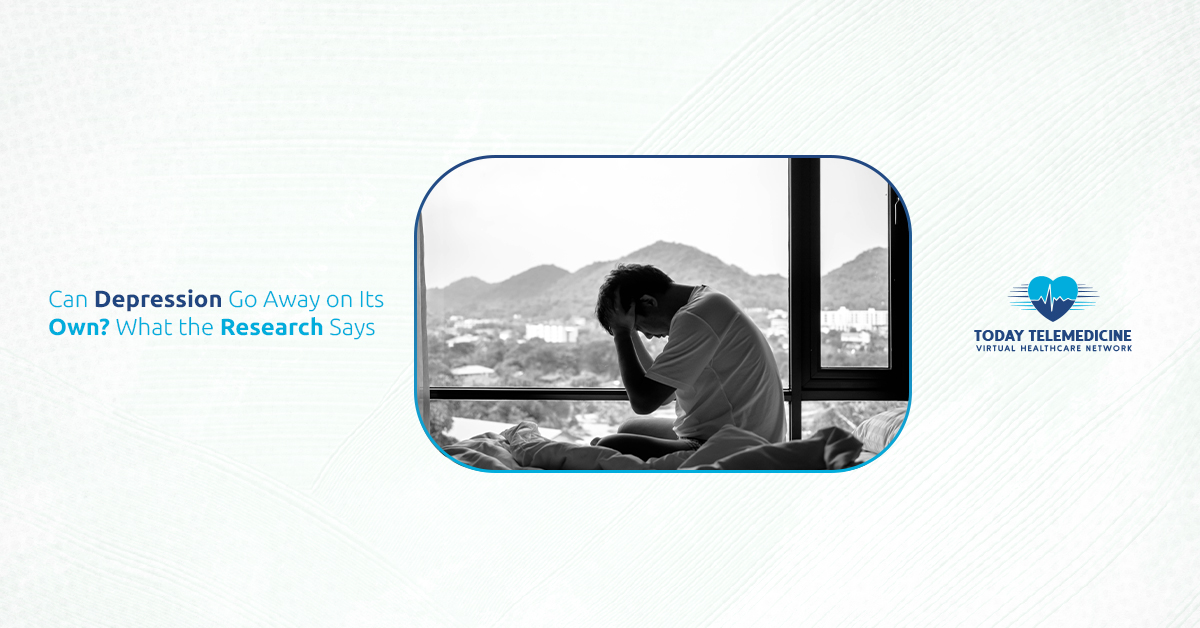
You’re not the only one who feels sad or low on energy all the time. A lot of people wonder, “Can depression go away by itself?” While it’s a common hope, depression is a serious mental health condition that goes beyond just “feeling blue.”
Some mild cases may get better on their own, but research shows that getting professional help is very important for getting over moderate to severe depression. This guide talks about the dangers of not treating depression, the most common signs, and the best ways to treat it so you can be strong for a long time.
Understanding Depression: Types and Symptoms
Major depressive disorder (MDD) or persistent depressive disorder (dysthymia) is a common mental illness that makes it hard to do everyday things, have relationships, and stay healthy.
Global and U.S. Depression Rates
Recent information from the World Health Organization and Gallup shows how common depression is:
- Global Impact: About 5 to 6 percent of adults around the world are currently depressed.
- S. Trends: In 2025, more than 18% of adults said they were currently experiencing symptoms of depression or receiving treatment. This is the highest rate on record.
- Lifetime Diagnosis: Almost 29% of adults in the US will be diagnosed with depression at some point in their lives.
Common Symptoms of Depression
The first step is to notice the signs. They often build gradually and can vary in intensity:
- Feeling sad, empty, or down most of the day
- Loss of interest or pleasure in activities (known as anhedonia)
- Big changes in sleep patterns (insomnia or oversleeping), appetite, or weight
- Tiredness or low energy, even after resting
- Feeling worthless, guilty, or hopeless
- Trouble focusing, making decisions, or remembering things
Thoughts of death or suicide that keep coming back (if this sounds like you, please call the 988 Suicide & Crisis Lifeline right away; help is available 24/7)
Mild vs. Moderate vs. Severe Depression
There are different levels of depression, from mild to severe. People with mild depression often feel sad or “blue” most of the time, but it doesn’t affect their daily lives very much. Moderate depression makes it harder to do everyday things. In contrast, severe depression can make even simple tasks seem impossible and often comes with strong feelings of hopelessness or thoughts of suicide.
Studies show that milder episodes may get better on their own over time, but it’s important to get professional help. Getting help early can stop symptoms from getting worse or coming back, which will lead to better long-term mental health.
The Science: Can Depression Resolve Without Treatment?
The short answer: Sometimes, but not reliably for most people.
Research on Untreated Depression Remission Rates
Research on untreated depression indicates that natural remission rates differ greatly according to severity and duration. Systematic reviews published in journals such as Psychological Medicine indicate that:
- Mild Depression: In community settings or primary care, around 23% of cases may resolve within 3 months, increasing to 53% within a year without any clinical intervention.
- Short-Term Remission: For people on waitlists for treatment, the chances of remission within 12 weeks are usually low, between 8% and 18%.
- Major Depression: It tends to have lower untreated remission, with many episodes lasting 6-12 months or longer if unaddressed.
Even though shorter episodes or milder severity can make it more likely that someone will recover on their own, the risk of getting sick again remains high without professional help.
Factors That May Help Depression Improve Naturally
Some people find relief from their symptoms by:
- Positive lifestyle changes: Include getting regular exercise, eating well, and having strong social support.
- Stress management techniques: Practicing mindfulness, spending time in nature, and figuring out what makes you stressed.
- Biological adjustments: Natural hormone balancing or good changes in the seasons.
These natural methods can help you get better, but they are not guaranteed to work. If you wait to get professional help, your symptoms could get worse.
Risks of Waiting for Depression to Go Away on Its Own
It’s tempting to “wait it out,” but not getting help for depression can be dangerous.
Potential Complications of Untreated Depression
If not treated, depression can have long-term effects, such as:
- Chronic depression: Up to 50% of untreated cases endure long-term instead of resolving.
- Worsening symptoms: Raises the risk of having anxiety, substance use disorders, and physical problems like heart disease at the same time.
- Life impact: It hurts relationships, grades, and job performance.
- Risk of suicide: Not treating depression greatly increases the risk of self-harm.
Why “Watching and Waiting” is Risky
About 50% of people who have depression will have another episode, and the chances of having another one go up with each one that isn’t treated. If someone you care about is having a hard time, it’s important to get help as soon as possible. A little push to get professional help can make a big difference.
When Should You Seek Professional Help?
There are certain warning signs that tell you it’s time to act, even if you think things could get better.
Signs You Need Depression Treatment
Seek help if:
- Symptoms persist beyond two weeks
- They interfere with work, school, or relationships
- Suicidal thoughts or self-harm urges arise (call 988 immediately)
- Co-occurring issues like anxiety or substance use emerge
Depression Self-Assessment and Next Steps
Screening tools like the PHQ-9 (a short online questionnaire) can help, but they can’t replace a doctor’s diagnosis. To go on:
- Talk to your primary care doctor to make sure there aren’t any physical problems.
- Get in touch with a mental health professional for a formal evaluation.
- Check out therapy options at nearby clinics or through telehealth.
Effective Treatment Options for Depression
Good news: Treatments work well for most, often leading to remission faster than waiting.
Therapy and Counseling Approaches
Evidence-based options include:
- Cognitive Behavioral Therapy (CBT): Helps reframe negative thoughts; highly effective, with response rates around 40-50% and remission in many
- Interpersonal Therapy (IPT): Focuses on relationships and life changes
- Mindfulness-Based Cognitive Therapy (MBCT): Great for preventing relapse
Medication and Other Interventions
- Antidepressants (like SSRIs) for moderate-severe cases, often combined with therapy
- Lifestyle integrations: Exercise, nutrition, and sleep routines boost outcomes
- Advanced options like TMS for treatment-resistant cases
How Treatment Speeds Recovery
Depression episodes that aren’t treated can last anywhere from 6 to 12 months, but professional treatment can get rid of symptoms in just a few weeks. Research indicates that 60-80% of patients experience substantial improvement or complete remission with treatment. Treatment gives you faster, more reliable relief and protects you for a long time.
Don’t wait if your symptoms don’t go away. Get in touch with a mental health professional for caring, evidence-based care. Today Telemedicine offers virtual appointments, which makes it easier than ever to get help.
FAQs
Can mild depression go away on its own?
Yes, studies show 23% of mild cases remit naturally within three months. However, leaving depression untreated risks recurrence or worsening symptoms.
Is it safe to wait for recovery?
While short-term symptoms may resolve, experts recommend early intervention to prevent chronic depression or relapse.