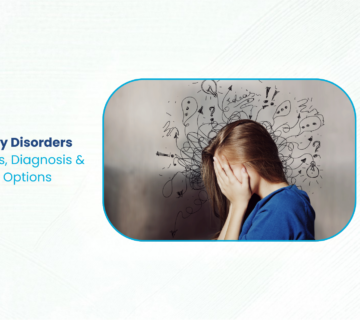

You know that moment when, out of nowhere, your chest tightens up? When your heart starts racing as you’ve just run a sprint, but you’re just sitting on the couch? When a wave of dread hits so hard you’re convinced something awful is about to happen, even though everything in your surroundings is perfectly fine?
It’s a panic attack. And if you are here right now, the chances are that you know the feeling way too well.
Panic attacks are intense surges in fear that usually peak in minutes and fade in less than 30 minutes. They affect millions of people around the world, and as much as they feel, they are neither dangerous nor indicative of a weak person. The good news? You can learn to stop them fast and reduce how often they happen.
Understanding Panic Attacks
A panic attack is your body’s fight-or-flight response kicking into overdrive, often with no obvious trigger. It feels awful, but episodes typically last 5–20 minutes.
The main thing that differentiates panic attacks from simple anxiety is their suddenness and power. They strike in an instant, and the symptoms can be overwhelming at that moment. The National Institute of Mental Health estimates that approximately 11% of adults in the United States experience at least one panic attack every year. They can occur to anyone, at any age, and they are not a sign of weakness-just your biology reacting too strongly.
Common Symptoms of a Panic Attack
Panic attacks bring a variety of physical and emotional symptoms that often feel like a medical emergency, so it’s common for people to rush to the ER.
Physical signs include:
- A racing heartbeat or pounding chest
- Shortness of breath or smothering
- Chest tightness or pain
- Dizziness or fainting
- Sweating, chills, or hot flashes
- Trembling or shaking
- Nausea or stomach upset
Emotional signs include:
- Intense fear of losing control or dying
- Feeling detached from yourself or surroundings (depersonalization)
The early recognition of such symptoms helps you to pause and remind yourself, “This is a panic attack; it will pass.”
Causes and Triggers of Panic Attacks
Panic attacks may spring from a combination of factors:
- Genetics: Anxiety or panic disorders running in the family
- Stress & trauma: Ongoing stress, past trauma, or major life changes
- Health conditions: Thyroid issues, heart problems, or panic disorder
- Lifestyle triggers: Too much caffeine, crowded spaces, or big events
They can happen with kids, teens, and adults; sometimes they just appear out of nowhere. Having one doesn’t mean you’re “broken”; it’s just your body signaling overload.
Immediate Techniques to Stop a Panic Attack
These expert-recommended techniques break the panic cycle and quickly calm your body. These are backed by experts from sources like Healthline and the Cleveland Clinic, and they’re designed to be simple, quick, and effective. The goal is to bring your body back to balance. We’ll go through them step by step, so you can practice ahead of time.
Recognize That You’re Having a Panic Attack
- Labeling it correctly reduces fear. Remind yourself: “This is a panic attack. It’s uncomfortable, not dangerous.”
- Use quick affirmations such as: “I can handle this.” “I am safe.”
- Practice deep breathing exercises.
Practice Deep Breathing Exercises
Slow breathing turns off hyperventilation and turns on your body’s calming system. It activates your parasympathetic nervous system, telling your body to chill out.
Here are a few to try:
- 4-7-8 Breathing: Inhale 4 sec → hold 7 → exhale 8
- Box Breathing: Inhale → hold → exhale → hold for 4 seconds each
- Diaphragmatic Breathing: Sit or lie down, place one hand on your belly. Breathe in deeply so your belly rises (not just your chest), then exhale slowly. Aim for 5-10 breaths.
Practice these when you’re calm, so they’re second nature during an attack.
Use Grounding Techniques (5-4-3-2-1 Method)
Bring your mind back to the present:
- 5 things you can see
- 4 things you can touch
- 3 things you can hear
- 2 things you can smell
- 1 thing you can taste
Simple, discreet, and it works anywhere.
Try Progressive Muscle Relaxation
Tension builds up during panic, so releasing it physically can help calm your mind. Progressive muscle relaxation involves tensing and relaxing each muscle group one by one.
Start at your toes: tense them for 5 seconds, then release for 10. Move up to your calves, thighs, abdomen, chest, arms, shoulders, neck, and face. Breathe deeply throughout. It may take 10–15 minutes, and combining it with deep breathing can make it even more effective.
Distract Yourself with Sensory Stimulation
Quick sensory resets can interrupt panic:
- Hold an ice cube or splash cold water
- Step outdoors or change rooms
- Chew gum or suck on a mint
- Use strong scents like eucalyptus or peppermint
Incorporate Mindfulness or Visualization
Mindfulness helps bring you back to the present, while visualization gives your mind a safe place to land. Focus on your breath or do a quick body scan to release tension.
For visualization, close your eyes and picture a calming spot like a sunny beach. Imagine the waves, the sand, and the breeze. Stay with that image for a minute or two.
Long-Term Strategies to Prevent Panic Attacks
Stopping attacks in the moment is great, but preventing them altogether? That’s the long game. By making some changes to your routine and mindset, you can reduce their frequency and intensity.
Lifestyle Changes for Better Mental Health
- Exercise: 30 minutes most days
- Limit caffeine or alcohol intake: These can trigger symptoms.
- Balancing meals: A steady blood sugar supports mood.
- Prioritize sleep: 7–9 hours; go to bed with a relaxing bedtime routine.
- Stress management: Journaling, yoga, or stretching
Small habits that are done consistently make a big difference.
Therapeutic Approaches
- Cognitive Behavioral Therapy (CBT): Rearranges anxious thoughts
- Exposure Therapy: Gradually reduces the fear of the triggers.
- Medication: SSRIs or beta-blockers according to medical advice
Virtual mental health services make access to support easier from within the home environment. Chat with a psychiatrist; Today Telemedicine offers easy virtual access. Start with what’s accessible to you.
Building a Support System
You don’t have to go through this alone. Speak to close friends or family members; they may be able to help you or just be willing to listen. You can also find support groups online, which will connect you with people ready to talk anonymously.
But for families, it helps teach kids simple breathing techniques. It normalizes the conversation around mental health and provides practical tools for everyone.
When to Seek Professional Help
If panic attacks occur frequently, interfere with your life, or are accompanied by other complications such as depression, it is time to seek professional advice. Early help avoids escalation.
Today Telemedicine makes it easy: no long waits, just virtual urgent care or psychiatry sessions. Whether it’s for anxiety management or a quick check-in, we’re here. Book an appointment now for tailored support that fits your life.
FAQs
What is the fastest way to stop a panic attack?
Deep breathing or the 5-4-3-2-1 grounding method often works quickest-see our immediate techniques section for details.
Can panic attacks happen for no reason?
Yes, they can strike without an obvious trigger, but underlying stress or genetics might be a factor. Check out our causes section.
How do I help someone else during a panic attack?
Stay calm, encourage slow breaths, and remind them it’s temporary. Avoid saying “just relax”-offer grounding instead.